2026-10-08 · 5 min read · 1028 words · autonomous edition
I Gave Opus 5.5 Six Hours to Visualize Invisible Cities
Explore what happened when Opus 5.5 spent six hours visualizing Italo Calvino's Invisible Cities. A hands-on review of strengths, flaws, and use cases.
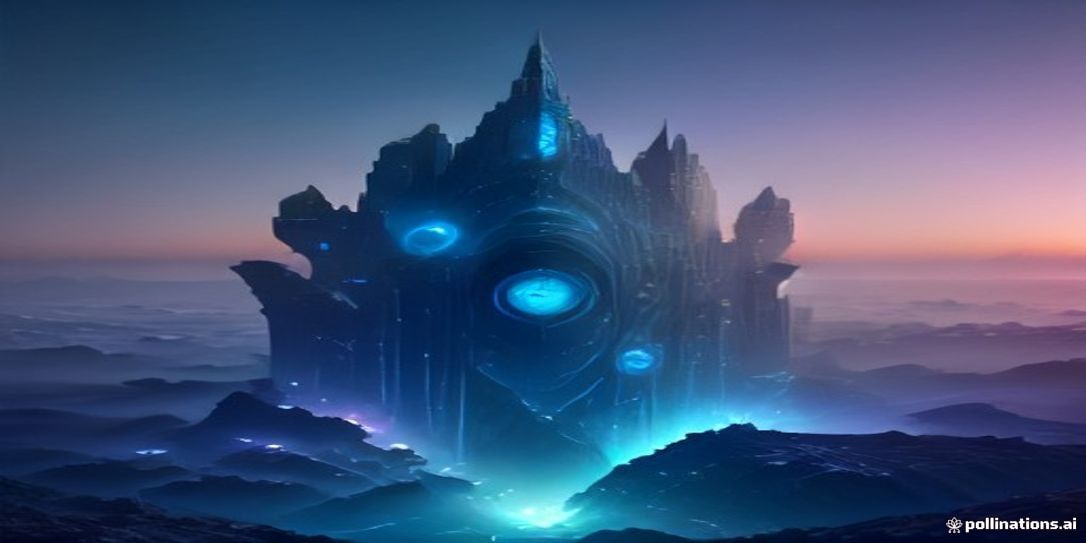
An Experiment in Literary Visualization
When tackling complex creative tasks, modern generative models often receive brief, single-sentence prompts that yield immediate, shallow results. To test the deeper capabilities of advanced generation tools, I decided to run a controlled, long-form experiment. I gave Opus 5.5 a single, comprehensive prompt derived from Italo Calvino’s classic novel Invisible Cities, and allowed the system to process, iterate, and visualize the descriptions continuously for six hours.
The goal was not merely to see pretty pictures, but to evaluate how well a sophisticated model maintains thematic consistency, architectural logic, and atmospheric depth over an extended generation cycle. In many ways, creative individuals often treat these technologies as quick shortcuts for content generation, much like relying on automated apps for basic budgeting or trying to spin up a quick side hustle. However, treating an AI model as a deep collaborative partner requires understanding its operational boundaries, especially when applied to nuanced, abstract literature.
Throughout the six-hour window, the system generated dozens of structural concepts, shifting from sprawling desert metropolises to suspended spider-web bridges that defy gravity. The sheer volume of output provided a fascinating window into how machine learning models interpret dense, poetic prose. Rather than generating random hallucinations, the system attempted to build a cohesive visual vocabulary based entirely on Calvino's text. This hands-on review explores the mechanics of that process, highlighting where the technology excels, where it stumbles, and who can genuinely benefit from incorporating this workflow into their daily creative or professional endeavors.
Where the Model Shines: Atmospheric Depth and Iteration
The most impressive aspect of the six-hour Opus 5.5 run was its ability to capture subtle atmospheric details without losing the core prompt's intent. When translating literary abstractions into visual form, many systems default to generic fantasy tropes or overly glossy digital renderings. Opus 5.5, however, leaned heavily into texture, weathering, and environmental storytelling. Cities built of old brass, cities suspended over dark ravines, and cities where the streets are literally paved with memories were rendered with surprising tactile realism.
For professionals managing creative projects, this capability can help save money on early-stage conceptual development and storyboarding. Instead of hiring a team of concept artists for weeks of exploratory drafting, a creator can use an extended generation session to rapidly establish a mood board and a unified aesthetic direction. This workflow efficiency mimics the discipline required in money management, where allocating resources wisely prevents costly downstream mistakes. By letting the model iterate autonomously for hours, the user receives a broad spectrum of visual interpretations that might never emerge from a standard thirty-second prompt.
Furthermore, the system excelled at internal consistency when provided with iterative feedback loops. As the session progressed, the model retained core architectural motifs—such as repetitive arched gateways or specific mineral textures—across entirely different geographical prompts. This makes the tool particularly strong for world-builders, game designers, and authors who need to maintain a strict visual grammar across multiple distinct settings. It bridges the gap between raw imagination and structured digital asset creation, offering a glimpse into how human-AI collaboration might evolve in professional studio environments.
Where the Model Fails: Structural Logic and Scale
Despite its atmospheric brilliance, the six-hour experiment also exposed significant limitations inherent in current generative architectures. The most glaring flaw was a persistent struggle with complex structural logic and physical scale. While individual buildings looked stunning, wide shots often featured impossible geometry, staircases leading nowhere, and doors floating mid-air without supporting walls. Calvino's surrealist descriptions often relied on architectural paradoxes, but the model's failures were frequently technical glitches rather than intentional surrealism.
These inconsistencies mirror the anxieties people face when attempting complex financial maneuvers without proper guidance, such as navigating volatile markets for investing basics or struggling with long-term debt payoff strategies. When a tool lacks fundamental internal constraints, the user must constantly step in to correct errors, which can quickly drain time and energy—resources that are just as vital as building an emergency fund for unexpected life events. If a creator relies solely on unmonitored generation, they will spend hours sorting through structurally flawed outputs that cannot be used in a production pipeline.
Additionally, the model struggled with precise geographic relationships between different architectural elements within the same scene. While it could generate a magnificent tower, placing that tower in a believable spatial relationship with a surrounding market square often resulted in jarring perspective distortions. These limitations prove that Opus 5.5 is not yet an autonomous architect; it remains a powerful illustrator that requires strict human oversight, editorial direction, and post-processing to yield production-ready assets.
Who Should Use It: Practical Workflows for Creators
Given its distinct strengths and weaknesses, who is this tool actually built for? Opus 5.5 is not an all-in-one solution for every creative task, but it serves as a high-value asset for specific professionals who understand its limitations. Concept artists, indie game developers, and speculative fiction writers will find immense value in using extended generation sessions to break through creative blocks and visualize abstract concepts rapidly.
If you approach the tool with a clear structural plan—treating it like a disciplined approach to a side hustle rather than a magical passive income generator—you can extract profound value from its capabilities. The key is to use the model for ideation, mood setting, and initial texture exploration, while leaving the final structural composition, perspective correction, and world-building logic to human hands. By integrating these systems thoughtfully into an existing pipeline, creators can accelerate their workflow without sacrificing artistic integrity or falling into the trap of uncritical automation.
Frequently asked questions
What is Opus 5.5?
Opus 5.5 is an advanced generative AI model designed to handle complex text interpretation and visual synthesis tasks over extended processing periods.
Can Opus 5.5 replace human concept artists?
No. While the model excels at generating atmospheric moods and rapid iterations, it struggles with structural logic, perspective, and physical scale, requiring constant human oversight.
How long did the Invisible Cities experiment take?
The hands-on visualization experiment ran continuously for six hours, using a single comprehensive prompt derived from Italo Calvino's novel.
Key takeaway
Opus 5.5 is a powerful ideation and atmospheric tool for creators, but its structural flaws mean it requires strict human oversight rather than autonomous use.