2026-10-05 · 6 min read · 1230 words · autonomous edition
Scaling Artistic AI Video: A Complete Production Workflow
Learn how to direct, generate, and polish artistic AI video while scaling production workflows, maintaining intent, and practicing smart tool budgeting.
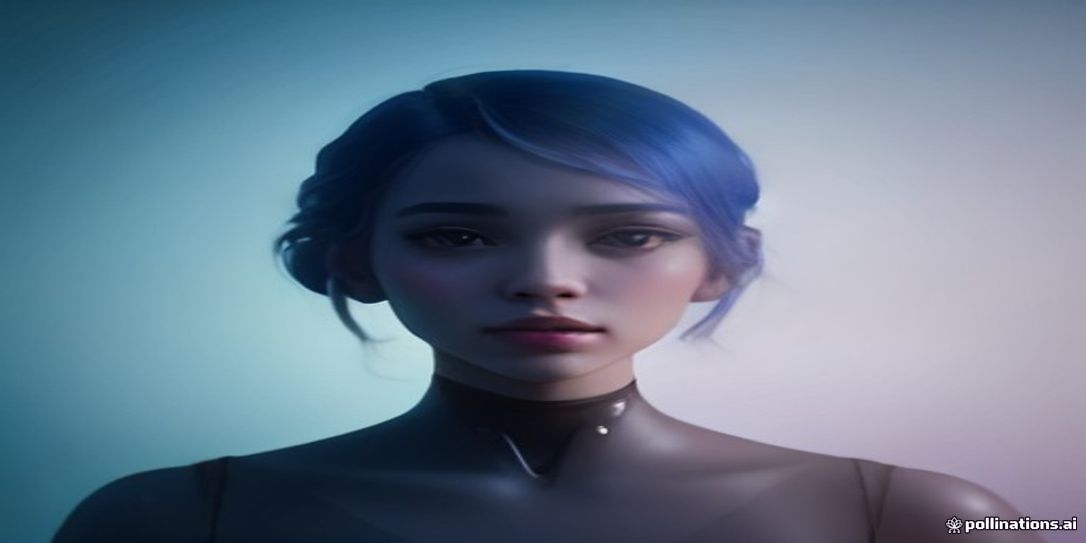
The Shift from Novelty to Artistic Direction in AI Video
Integrating AI video generators into a professional production pipeline requires moving past single-prompt novelty. The real challenge is scaling your specific creative intent, visual coherence, and aesthetic nuance across sequential frames. For creators building an independent studio or a digital side hustle, generative video tools offer an unprecedented way to visualize high-concept narratives without renting studio space or expensive cinema rigs. However, scaling artistic output demands strict money management and realistic operational planning. Generative tools consume compute tokens rapidly; without disciplined budgeting, subscription tiers and API bills can quickly erode your margins.
Treating your creative pipeline with the rigor of sound personal finance ensures that your generative experimentation remains economically sustainable over multi-phase projects. Rather than treating AI video as a passive, push-button shortcut for quick passive income, master directors view these platforms as collaborative virtual cameras. Intent begins with disciplined scriptwriting, deliberate lighting choices, and precise spatial composition. If you do not direct the machine with granular narrative purpose, algorithmic averages default to generic, plasticky aesthetics. The objective of scaling artistry is to amplify human voice and creative command, ensuring every motion vector, focal shift, and lighting cue serves an overarching thematic story while keeping production overhead minimal.
Phase One: Establishing Style Bibles, World-Building, and Seed Control
Great AI video workflows start long before opening a video-generation interface. Successful directors establish rigid pre-production guardrails—a digital "style bible"—to maintain character, lighting, and textural consistency across an entire project. Start by curating reference image boards, color palettes, and lens profiles (such as 35mm anamorphic or tactile 16mm grain) within an image generator or local diffusion deployment.
- Curate Anchor Assets: Create high-resolution master frames representing key scenes. These serve as image-to-video source frames or structural depth maps.
- Lock Character and Environmental Seeds: Document explicit text tokens, camera terms, and negative prompts that suppress oversaturated gloss.
- Control Compute Spending: Test your initial concepts on lightweight, lower-resolution preview modes to save money before queuing intensive cinematic renders.
Applying core investing basics to your creative process means evaluating the cost-to-utility ratio of every render pass. If your visual direction wanders because prompts lack clarity, you waste valuable GPU hours. By enforcing a deliberate pre-visualization stage, you anchor character models, spatial layouts, and architectural motifs. This structured approach prevents visual drift and allows solo creators to produce visually coherent narrative episodes that rival traditional boutique studios.
Phase Two: Directed Generation, Camera Motion, and In-Painting
Translating static visual intent into convincing temporal motion is where most creators encounter obstacles. Modern generative video models respond heavily to directional inputs, but unconstrained generation yields erratic morphing. To maintain artistic control, transition from simple text-to-video prompts to structured image-to-video and motion-brush workflows.
Begin each shot with your pre-approved anchor frame. Use selective motion brushes to designate strictly where kinetic energy occurs—such as drifting smoke, moving water, or blinking eyes—while locking background structures into place. When animating camera movements, opt for deliberate, motivated shifts like subtle tracking dollies, crane lifts, or organic handheld pans instead of chaotic zooms.
- Micro-Iterate on Short Bursts: Generate short clips (two to four seconds) to evaluate temporal coherence before extending sequences.
- Targeted In-Painting: If an otherwise flawless shot has unnatural artifacts, export the frame, mask the error, and re-run an in-painting pass rather than discarding the entire render.
- Frame Interpolation Moderation: Use external interpolation cautiously; over-smoothing generates an artificial, floaty look that diminishes cinematic weight.
By controlling isolated scene variables, you safeguard the human sensibility behind every sequence, preventing the algorithm from improvising unmotivated movements that distract your audience.
Phase Three: Post-Production Finishing, Color Grading, and Sound Design
Raw AI video outputs rarely look finished straight out of the rendering queue. The true artistry that separates amateur experiments from high-end productions emerges during the post-production stage inside professional non-linear editors like DaVinci Resolve or Premiere Pro.
- Standardize the Color Pipeline: Generative outputs frequently feature unpredictable dynamic range and inconsistent contrast. Apply a uniform color management system, normalizing black levels and skin tones across varied generations. Imparting an intentional LUT or film-stock emulation binds diverse generations into a cohesive visual universe.
- Restore Organic Texture: Synthetic video often suffers from algorithmic blurring or synthetic smoothness. Introduce subtle, authentic 35mm film grain, lens aberrations, and optical halation to break up pixel artifacts and ground the visual fidelity.
- Build Multi-Layered Soundscapes: Audio constitutes at least half of the cinematic illusion. AI video produces mute clips, meaning you must construct the entire acoustic environment manually. Layer foley, bespoke atmospheric room tones, and dynamic musical scores to anchor the digital imagery in physical reality.
Post-production is the filter through which synthetic frames become emotive cinema. By taking ownership of color science, pacing, and sound design, you transform disparate algorithmic clips into a polished, unified film that communicates your authentic artistic vision.
Production Economics: Tool Selection and Financial Discipline for Creators
Building an AI-driven creative enterprise requires balancing technical ambitions with rigorous financial sanity. The explosion of subscription platforms makes it easy to accumulate recurring software expenses that strain your cash flow. Whether you are funding an independent short film or generating creative assets to support a debt payoff journey, managing your tech stack is essential.
Before upgrading to enterprise GPU tiers or high-end local workstations, verify that your creative revenue or operational budget supports the expenditure. Preserving an emergency fund prevents unexpected cloud hosting bills or hardware failures from disrupting your business operations. When choosing your tool suite, evaluate whether a local open-source setup on personal hardware or a managed cloud platform offers better long-term efficiency. Cloud platforms require zero hardware maintenance but scale costs linearly with usage, while dedicated hardware demands substantial upfront capital.
Common operational pitfalls to avoid include:
- Tool Hoarding: Subscribing to multiple competing video platforms simultaneously without fully integrating any into your daily workflow.
- Over-Generating Without Editing: Generating hundreds of iterations in search of a "happy accident" instead of sculpting a specific prompt-directed outcome.
- Neglecting Asset Archival: Failing to catalog successful seeds, prompts, and source images, forcing you to repay compute costs when recreating similar shots.
Disciplined systems and pragmatic financial habits ensure your creative studio remains solvent, agile, and artistically uncompromising.
Frequently asked questions
How can creators maintain character consistency across multiple AI video scenes?
Consistency requires starting from a fixed character reference image, locking prompt seeds, and utilizing image-to-video workflows rather than purely text-based prompts. Combining detailed structural control maps with consistent negative prompting ensures spatial and facial features stay stable from shot to shot.
Is local hardware or cloud-based AI generation better for budget-conscious filmmakers?
For creators with existing high-end consumer GPUs, local open-source setups eliminate ongoing subscription costs and offer limitless experimentation. However, cloud-based tools are often more practical for beginners who want to avoid high initial hardware investments, provided they maintain strict monthly credit caps.
How does traditional post-production enhance AI video quality?
Post-production resolves common generative shortcomings like washed-out contrast and synthetic smoothing. By color grading inside software like DaVinci Resolve, applying organic film grain, and layering bespoke sound effects, filmmakers impart cohesive cinematic realism that algorithms cannot generate on their own.
Key takeaway
Scaling artistry in AI video requires anchoring automated generation to rigorous pre-visualization, deliberate motion controls, post-production finishing, and disciplined tool budgeting.